Highlights from EU4MOFs Training School on MOF Processing & Industrial Implementation
Copenhagen, 26-27 February 2026
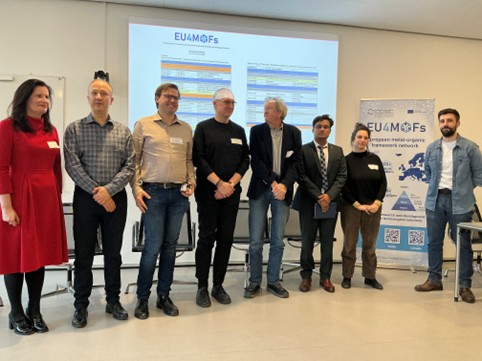
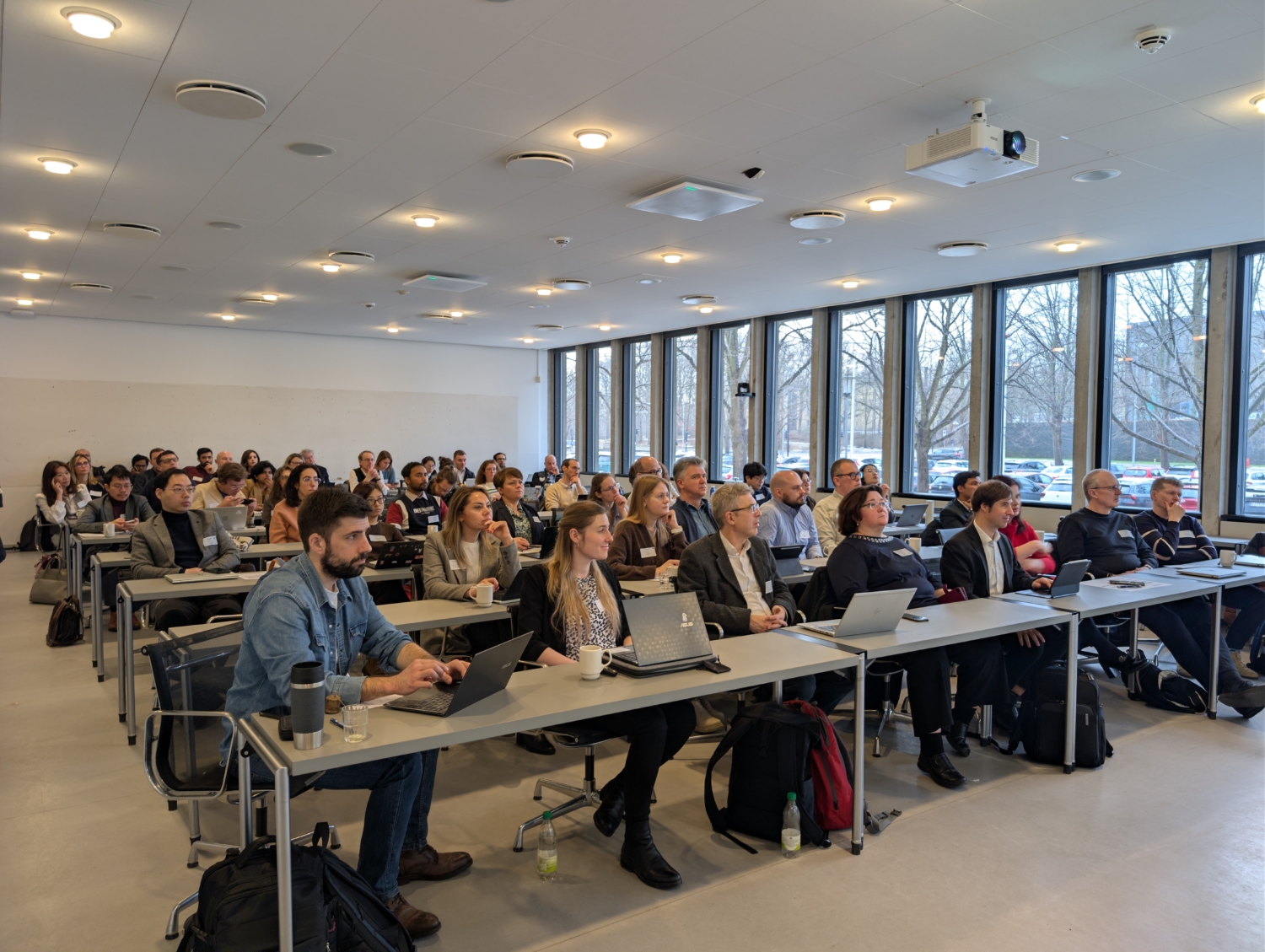
On 26–27 February 2026, EU4MOFs hosted the training school “MOF Processing & Industrial Implementation” in Copenhagen, Denmark. The event brought together researchers, early-career scientists, and industry partners to explore how advances in MOFs and other porous materials can be translated from laboratory discoveries into real-world applications. With a strong focus on processing, shaping, scale-up, and application-driven design, the training school fostered collaboration between academia and industry, gathering over 60 participants on site and more than 50 attendees online.
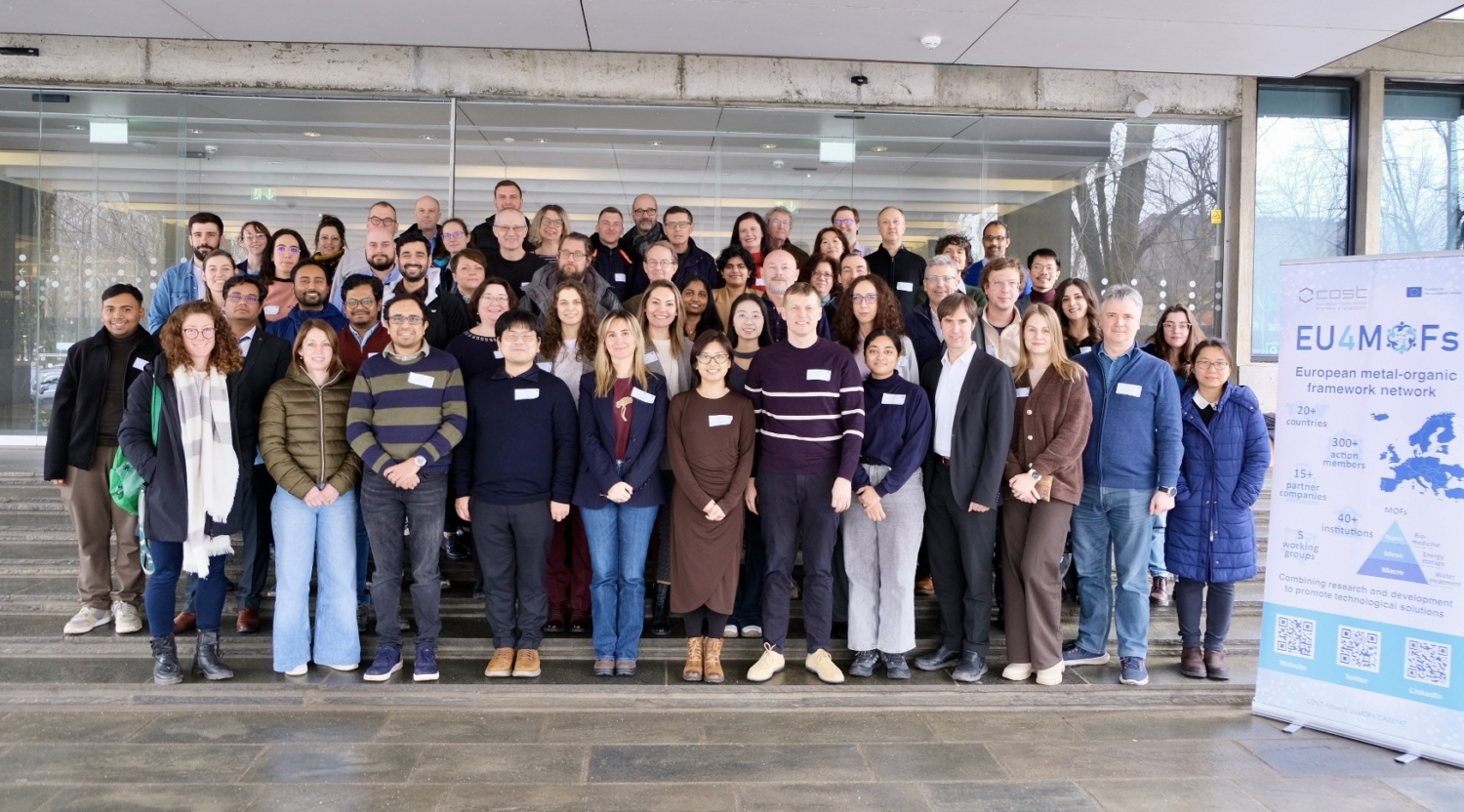 |
| EU4MOFs training school “MOF Processing & Industrial Implementation” held on 26-27th February 2026 in Copenhagen, Denmark. |
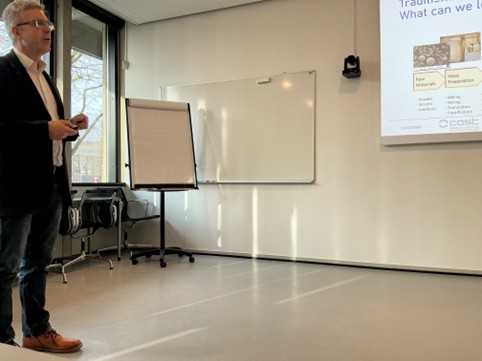
The event began with a warm welcome from WG2 Co-Leader, Prof. Andreas Kaiser. In his opening remarks, he introduced the key theme of the training school by drawing parallels between MOF processing and established practices in ceramic engineering. He highlighted how the long industrial history of ceramics – from powder preparation to shaping and final processing – offers valuable lessons for scaling up MOF materials. While MOFs present unique challenges, such as high surface area, stability, and processing limitations, adapting proven shaping and manufacturing strategies could help move MOFs from laboratory powders toward practical industrial applications.
The first session, chaired by Dr. Quim Pena, focused on the academic perspective to biomedical applications. The first speaker from academia, Dr. Vivek Pachauri, presented his group’s work on integrating MOFs into semiconductor-based sensing platforms. His team focuses on bringing advanced nanomaterials, including MOFs, into cleanroom fabrication processes to develop highly integrated sensing devices. The approach combines microfabrication, microfluidic deposition, and programmable thin-film synthesis to create electrical biosensors capable of fast, sensitive, and real-time detection. The research group also explores the biocompatibility of these platforms using cell culture models, highlighting their potential for biological sensing applications.
 |
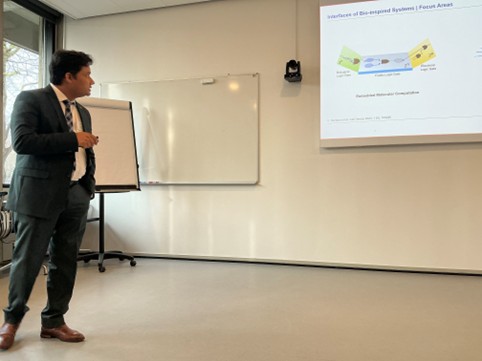 |
| Prof. Andreas Kaiser, WG2 Co-Leader. | Dr. Vivek Pachauri, RWTH Aachen |
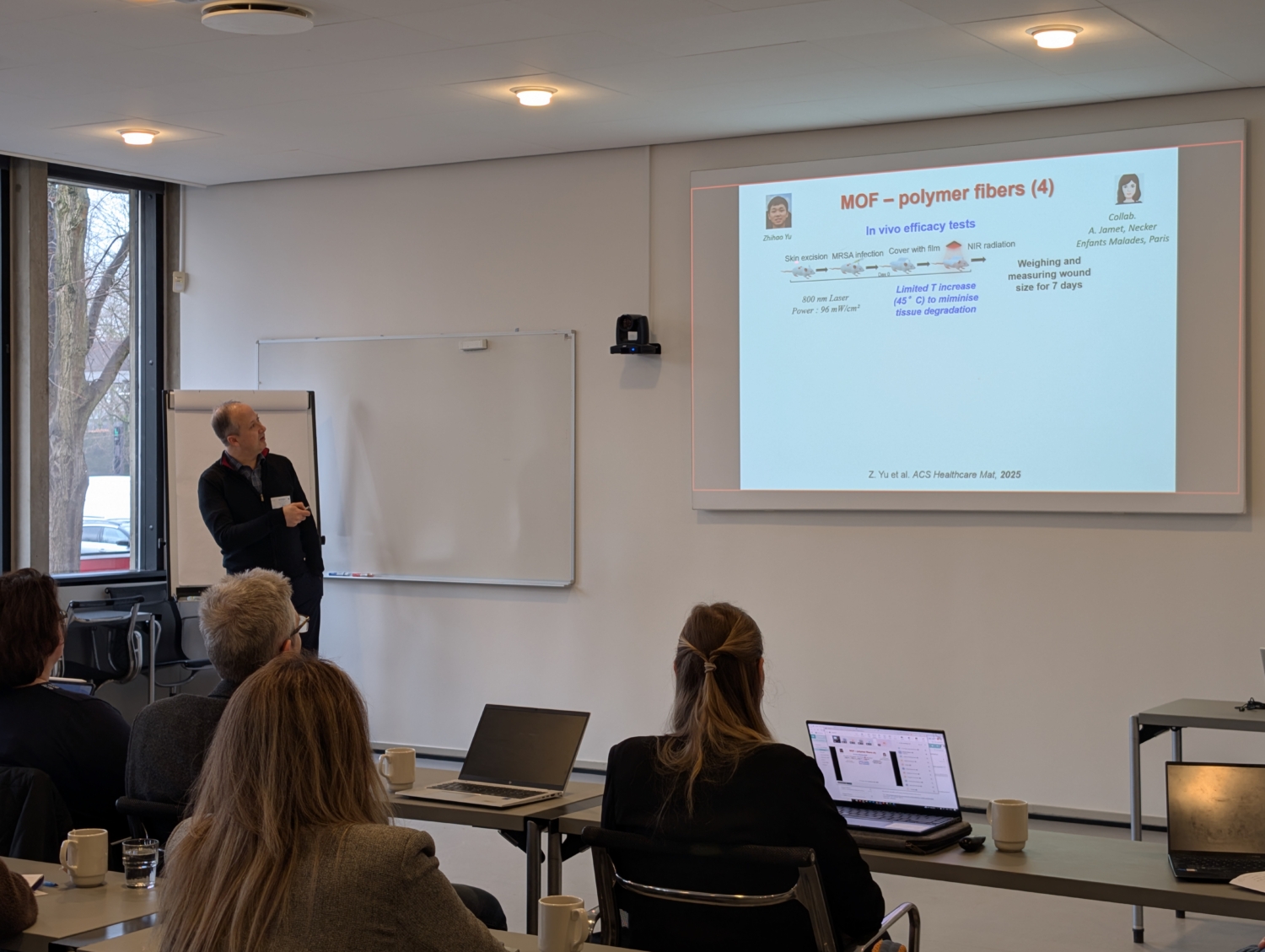
The second speaker, Prof. Christian Serre, presented innovative research on MOF-based composites designed for antibacterial therapies and wound healing. His team explores biocompatible MOFs, particularly iron-based materials, embedded into functional platforms such as electrospun fibers and microneedle patches. These systems can encapsulate therapeutic agents or generate reactive oxygen species to combat drug-resistant bacteria such as MRSA. The work demonstrates promising results in both in vitro and in vivo studies, showing effective bacterial elimination and accelerated wound healing, while emphasizing scalable and environmentally friendly synthesis strategies.
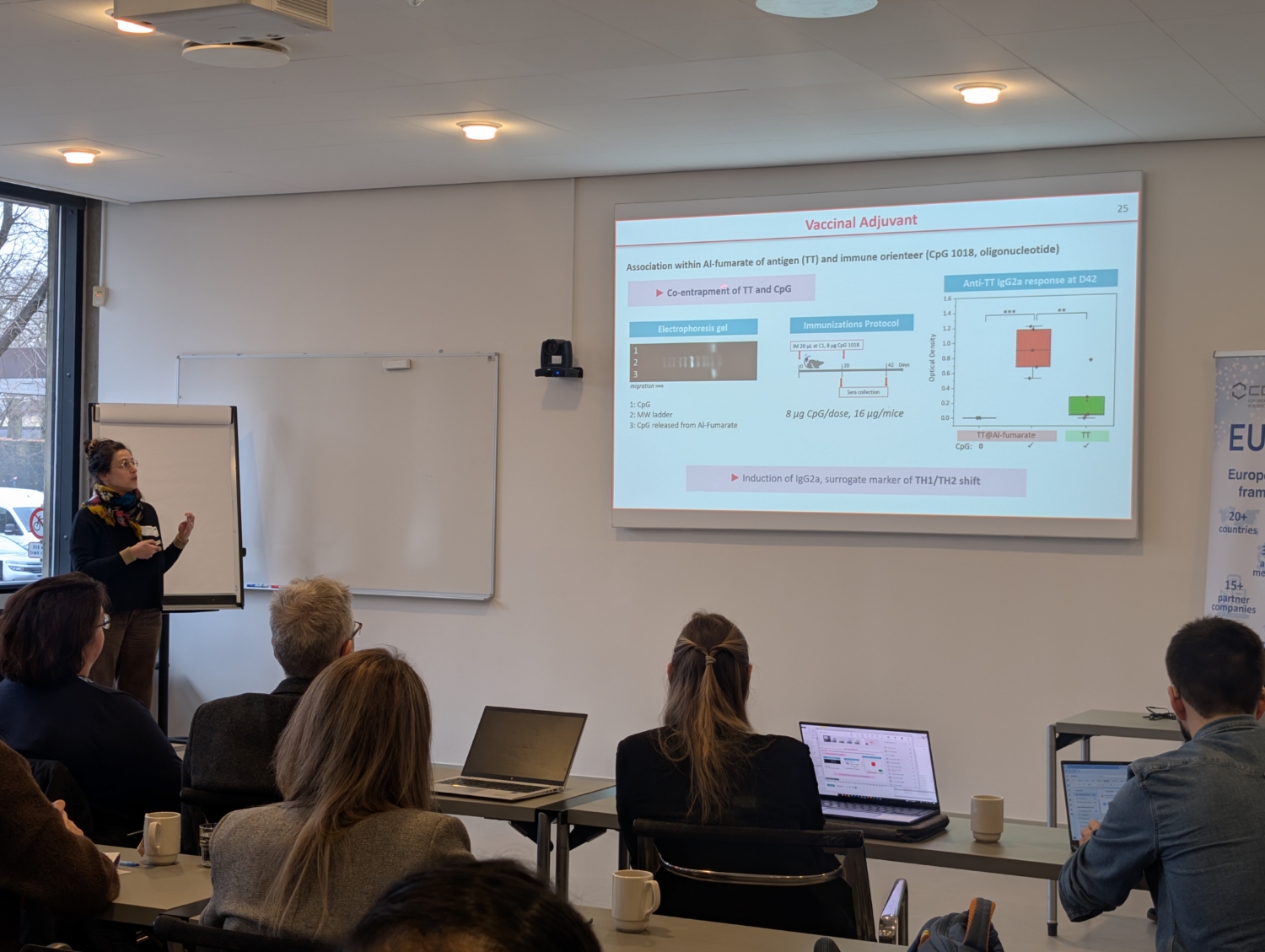
Dr. Clémence Sicard presented research on the use of aluminum-based MOFs as advanced vaccine adjuvants. Since most pediatric vaccines rely on non-living antigens that require adjuvants, her work explores replacing conventional aluminum hydroxide with Al-MOF materials. By synthesizing the MOF in the presence of antigens, such as tetanus toxoid, the team successfully encapsulated large biomolecules within the MOF structure. The approach enhances antigen stability, with formulations remaining stable for up to 24 months at 4 °C and significantly improves immune response in animal studies compared to surface-bound antigens, highlighting the potential of Al-MOFs for next-generation vaccine formulations.
 |
 |
| Prof. Christian Serre, CNRS. | Dr. Clémence Sicard, Institut Lavoisier de Versailles. |
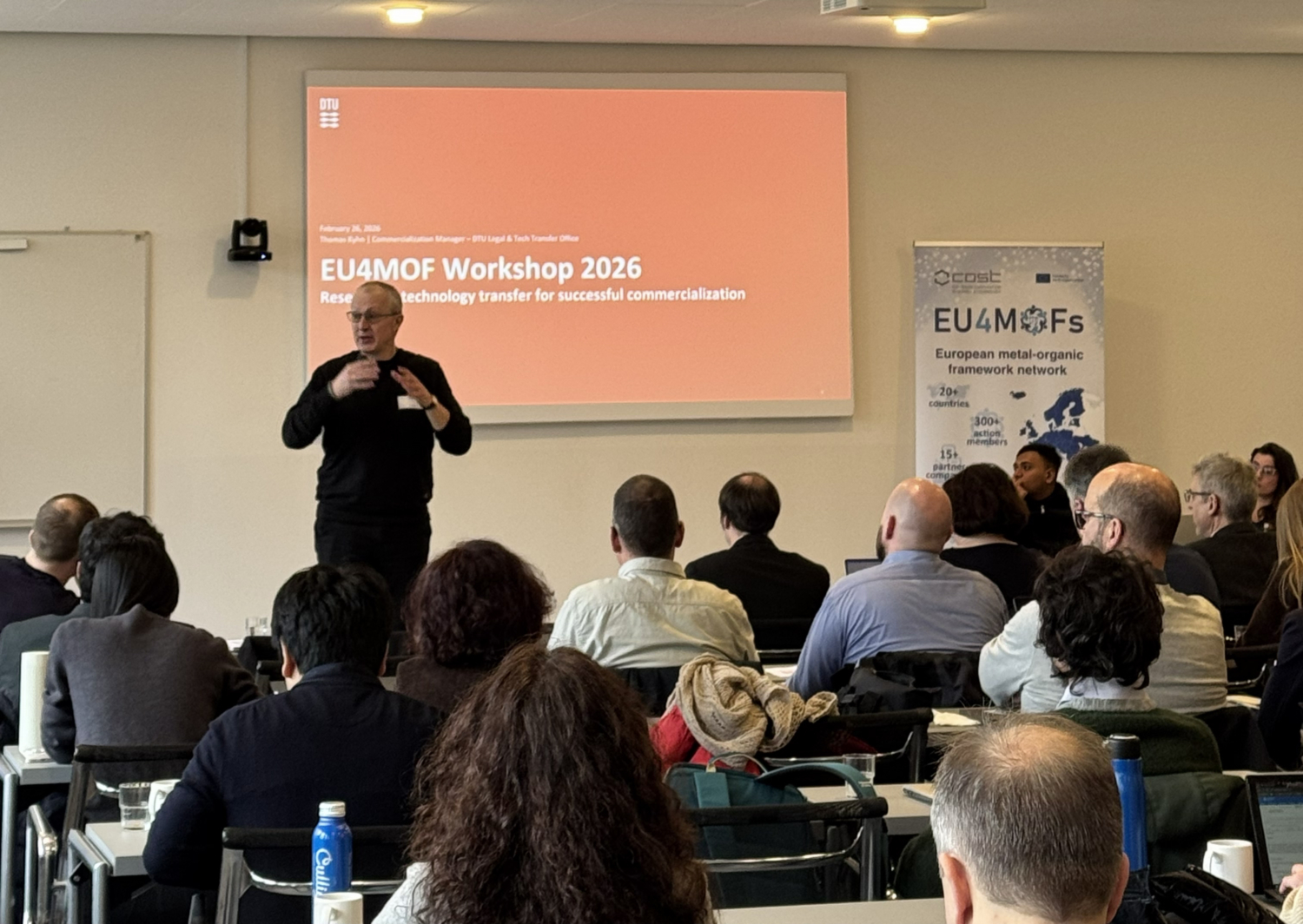
The next session, chaired by Prof. Joanna Gościańska, focused on the industrial perspective to biomedical applications. The first speaker from Technology transfer office of DTU, Thomas Kyhn, provided an overview of how academic inventions can be successfully transferred to industry. Introducing the TRL framework, he highlighted the importance of intellectual property (IP) in commercialization, noting that companies based on university IP have significantly higher survival rates. In Denmark, inventions created at universities are owned by the institution, which negotiates licensing agreements with companies. Kyhn outlined key steps in the commercialization process, including clarifying ownership, establishing spin-outs, and transferring IP through Patent License Agreements.
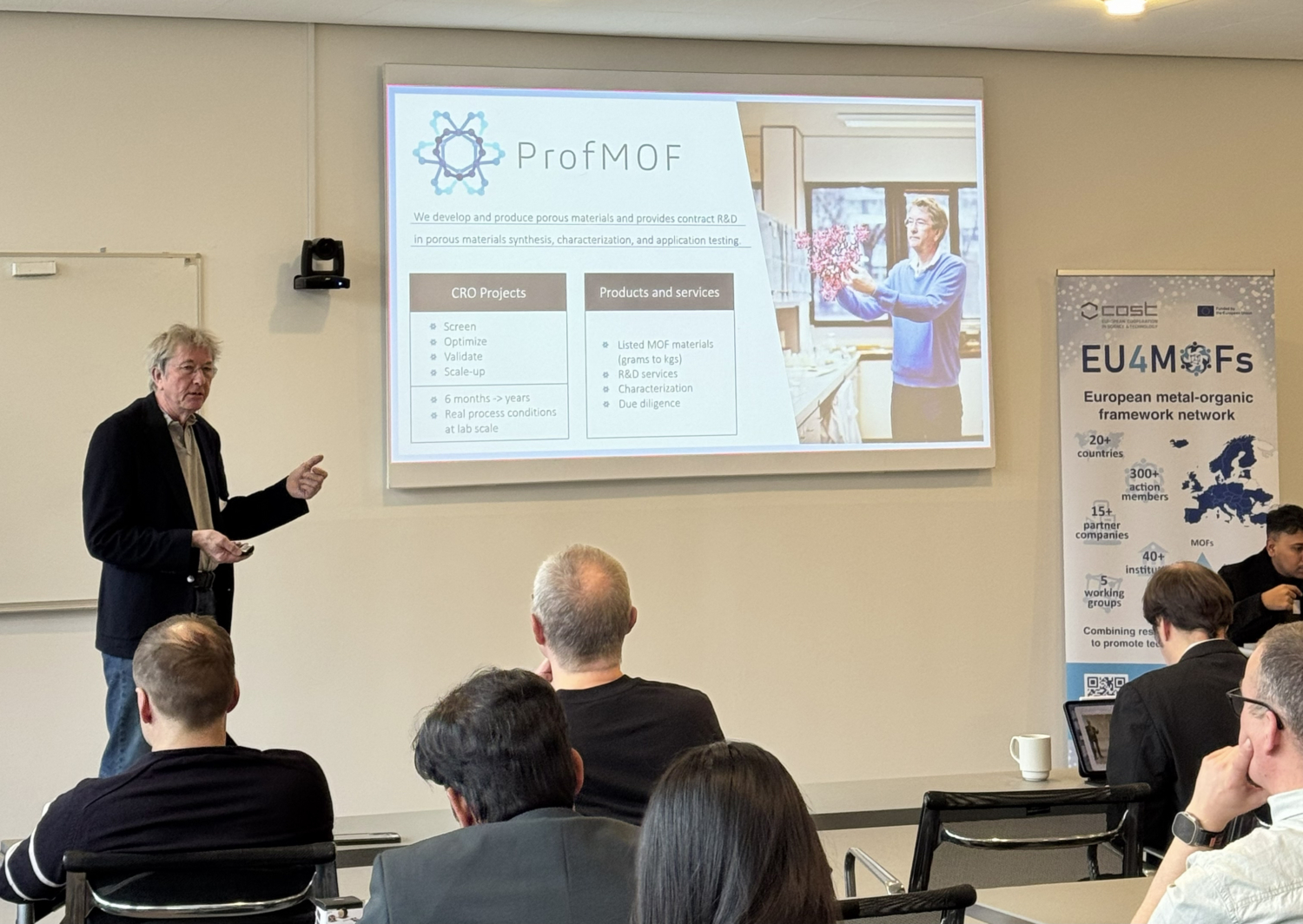
Prof. Karl Petter Lillerud shared insights from ProfMOF, a spin-out from the catalyst group at the University of Oslo. He discussed the challenges of translating academic discoveries into industrial applications, noting that while patents typically last only 20 years, commercialization timelines can be long. ProfMOF’s business model therefore focuses not only on supplying MOF materials but also on conducting contract research projects with major industrial partners. Prof. Lillerud also highlighted practical aspects of MOF scale-up and formulation. While synthesizing MOFs is important, shaping them into functional materials often represents an equally significant challenge due to their limited mechanical strength. Developing scalable and gentle shaping methods, such as sphere formation techniques inspired by alginate gel processing, is therefore key to enabling industrial applications of MOF materials.
 |
 |
| Thomas Kyhn, Tech. transfer office, DTU. | Prof. Karl-Petter Lillerud, ProfMOF. |
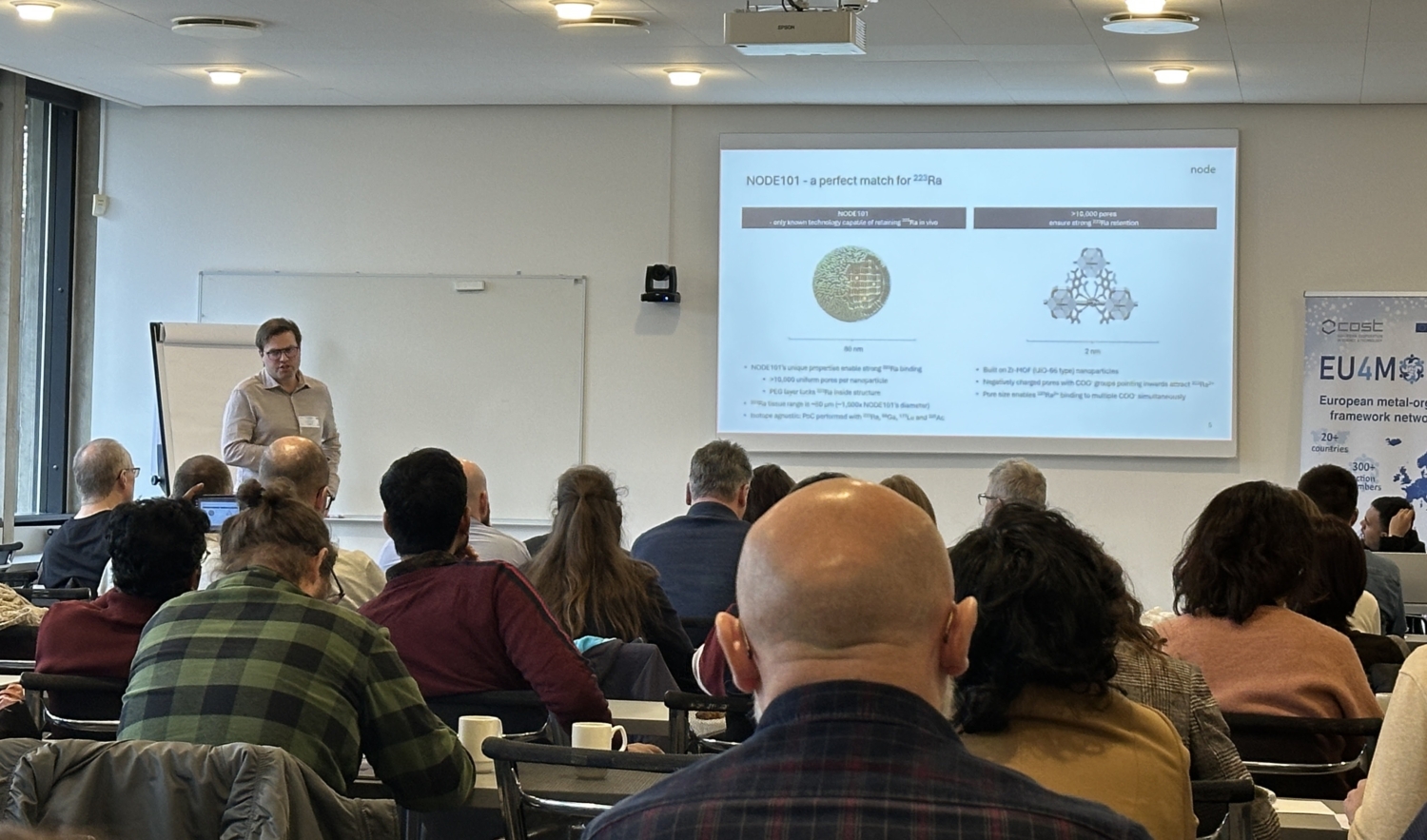
Dr. Sigurd Øien-Ødegaard presented the development of a MOF-based radiopharmaceutical designed to treat liver cancer. The approach uses stabilized suspensions of MOF nanoparticles, such as UiO-66, to deliver alpha-emitting radionuclides including 223Ra and 225Ac. These radionuclides produce highly localized alpha radiation that induces double-strand DNA breaks in cancer cells, making them particularly effective for targeted therapies such as transarterial radioembolization. He also emphasized that developing a pharmaceutical product involves far more than synthesizing nanoparticles and loading the active ingredient. A strict quality-by-design approach is required, where every aspect of the formulation and production process – from nanoparticle size distribution to materials used in manufacturing – must be carefully defined, controlled, and documented to ensure safety and consistency.
 |
| Dr. Sigurd Øien-Ødegaard, nodePharma. |
The session concluded with a panel discussion featuring the previous speakers, focusing on the key challenges facing MOFs in biomedical applications. Topics included issues of standardization, reproducibility, scalability, and communication between academia and industry. Panelists also highlighted challenges such as in vivo toxicity, stability in colloidal form, and the difficulty of translating promising laboratory results into clinically relevant solutions. The discussion also addressed the importance of formulation and shaping strategies, noting that the optimal form of a MOF-based system, such as nanoparticles, fibers, or microneedles, largely depends on the target disease and route of administration. A key takeaway was that pharmaceutical companies and clinicians are ultimately interested in effective, safe products, rather than the specific composition or mechanisms of the materials themselves.
 |
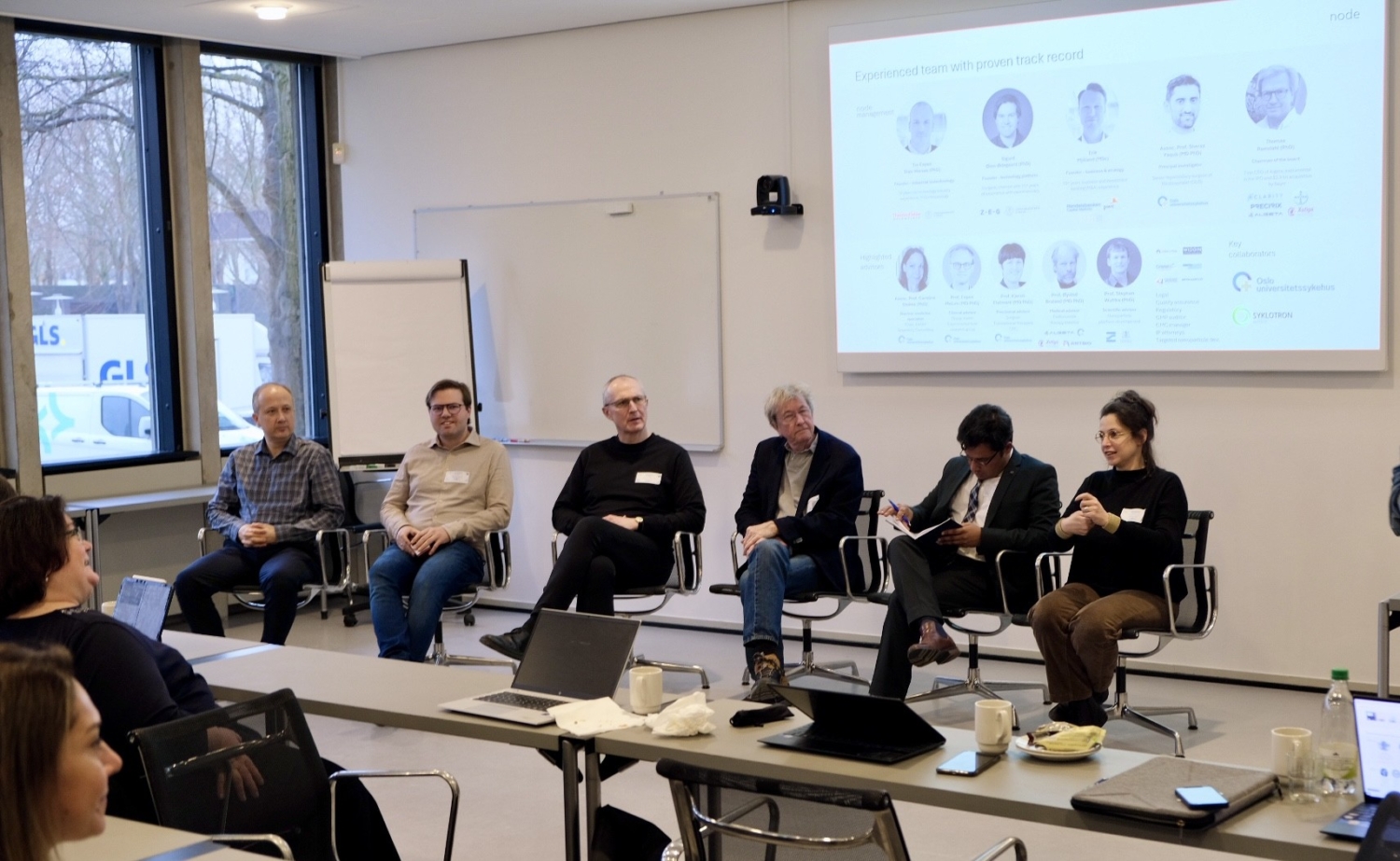 |
| Panel discussion. | |
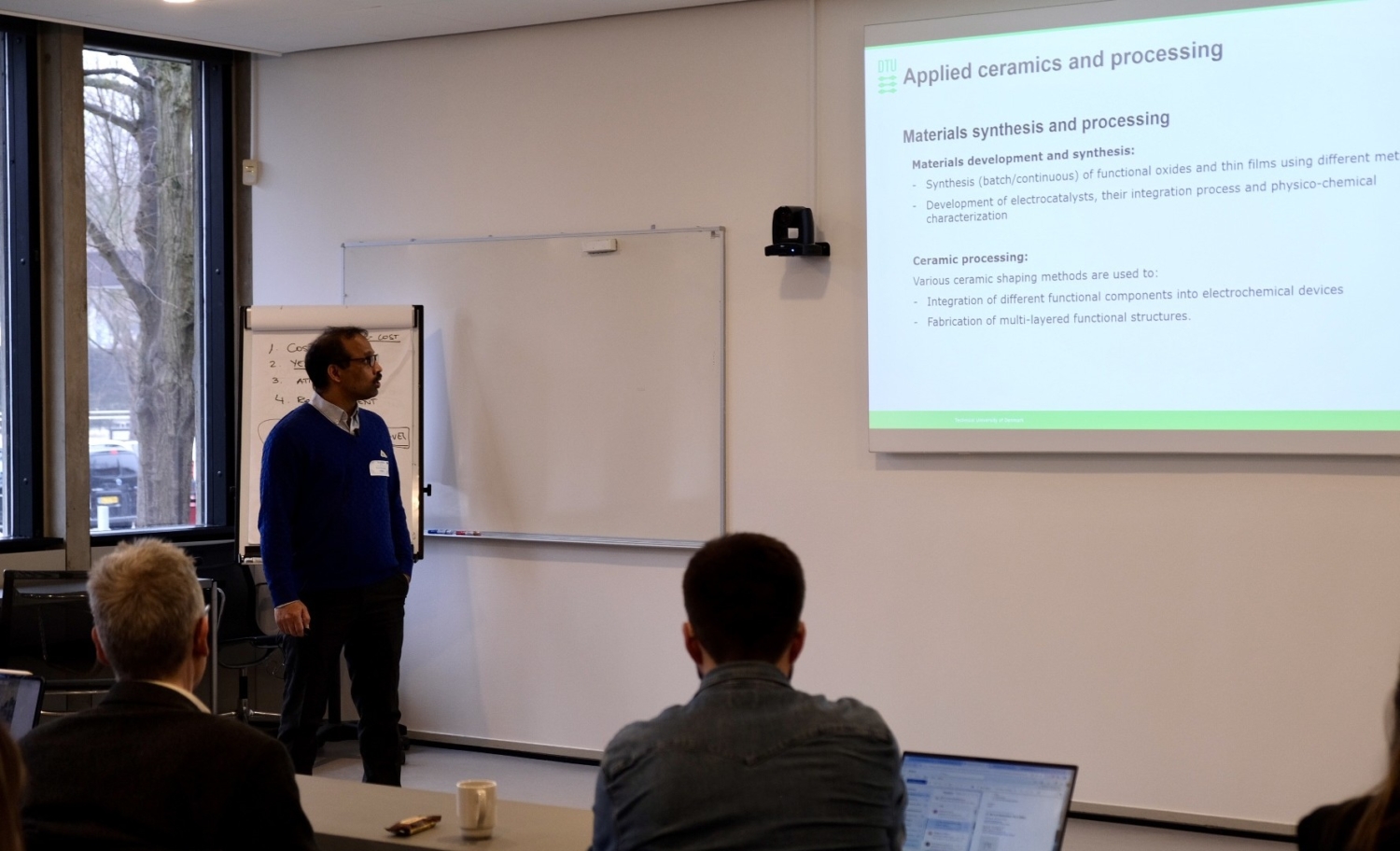
The third session, chaired by Prof. Dariusz Matoga, focused on the academic perspective to energy and water applications. Dr. Bashkar Reddy Sudhireddy introduced key concepts in materials shaping and processing, drawing on established ceramic engineering practices and the infrastructure available at DTU. He outlined the typical workflow for fabricating ceramic components – from powder preparation and conditioning to shaping, drying, and sintering – highlighting how these well-developed techniques can inform the processing of MOF materials. He emphasized the importance of powder processing, including the use of dispersants, binders, and plasticizers to stabilize suspensions and enable shaping. Various shaping techniques were discussed, such as tape casting, screen printing, extrusion, and electrospinning, which can produce structured materials for applications ranging from electronics to energy devices.
Dr. Stefano Stassi presented recent advances in 3D printing technologies for functional devices, including sensors, actuators, and energy harvesters. His talk highlighted how additive manufacturing techniques such as digital light processing (DLP) and two-photon polymerization (2PP) enable the fabrication of highly precise structures that integrate functional materials. He discussed key challenges in printing MOF-containing composites, including particle dispersion within polymer matrices, light scattering in photopolymers, thermal treatment constraints, and the need to preserve MOF porosity and functionality.
 |
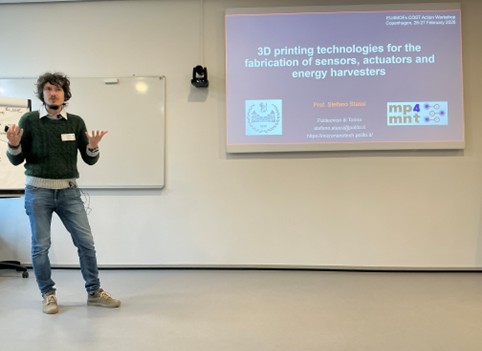 |
| Dr. Bashkar Reddy Sudhireddy, DTU. | Dr. Stefano Stassi, Politecnico di Torino. |
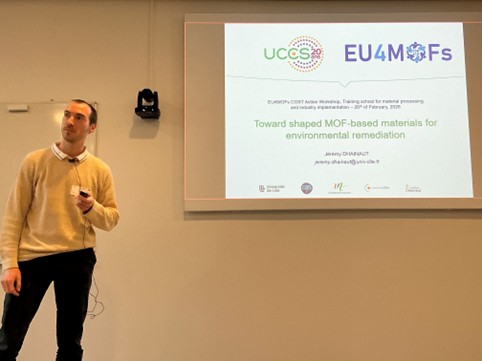
Dr. Jérémy Dhainaut presented recent work on the development of shaped MOF-based materials for environmental remediation, focusing on the challenges associated with using MOF powders in practical applications, including difficulties in reactor loading and low thermal conductivity. His talk explored different shaping approaches to transform MOF powders into robust, scalable materials while preserving their porosity and adsorption properties. Using examples such as UiO-66-NH2 for iodine capture in nuclear safety applications, he demonstrated how shaped MOF materials could compete with current state-of-the-art sorbents like silver-doped zeolites. The work also highlighted the importance of interdisciplinary collaboration, as researchers from ceramics, materials chemistry, and engineering bring different perspectives to MOF shaping and processing.
Dr. Simge Çınar presented her research on the formulation and processing of highly loaded colloidal suspensions, highlighting the importance of colloid and interface science in shaping advanced materials such as MOFs. She demonstrated how controlling particle dispersion, interparticle interactions, and rheology is essential for producing stable suspensions that can be processed into functional structures through techniques such as casting, extrusion, and 3D printing. Her talk emphasized that colloidal stability directly affects material performance, as poor dispersion leads to aggregation, reduced accessible surface area, and defects in shaped materials. Using examples from energy storage systems, such as LiFePO₄ suspensions for semi-solid flow batteries, she illustrated how particle size distribution, dispersion stability, and interfacial water layers influence the processability and final properties of materials.
 |
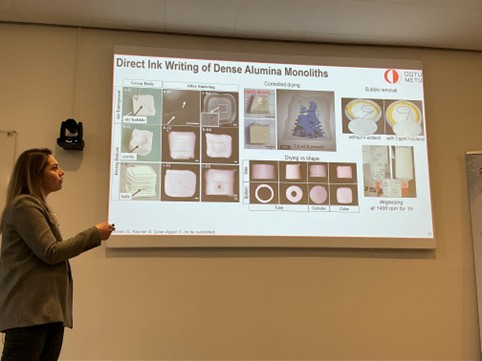 |
| Dr. Jérémy Dhainaut, CNRS. | Dr. Simge Çınar, Middle East Technical University. |
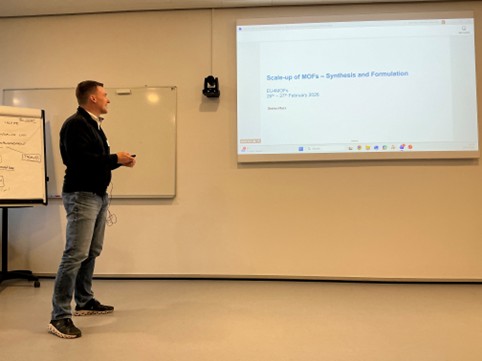
The last session, chaired by Dr. Robert Wojcieszak, showcased industrial perspective to water and energy applications. The first talk of the session was delivered by Stefan Marx from BASF, who discussed the challenges associated with scaling up MOF production from laboratory to industrial scale. He outlined the typical workflow—mixing metal salt and linker solutions followed by precipitation, filtration, washing, drying, and shaping—and showed how processing steps such as filtration and washing can lead to particle agglomeration and large filter cakes at scale. A major focus was improving space-time yield, which must increase from typical academic values of 1–10 kg/m3/day to industrial targets of up to thousands of kg/m3/day while maintaining material performance. The talk also highlighted shaping strategies including pelletization, slot-die coating, dip coating, and 3D printing, emphasizing how compaction, powder flowability, coating defects, and binder stability influence porosity, diffusion, and long-term performance.
Dr. Will Morris from Numat discussed the challenges of bringing MOF technologies from research to commercial products. Founded in 2013 as a spin-out from Northwestern University, Numat has grown to more than 70 employees and developed a commercialization pipeline that moves from fundamental research through applied development to full-scale production, currently reaching capacities of up to 300 tons per year. Dr. Morris highlighted that commercialization requires overcoming multiple barriers beyond material performance, including scalability, product integration, regulatory compliance, reproducibility, safety testing, raw material supply, and customer acceptance.
Dr. Adriana Klyszejko from Oxford Cryosystems presented technologies for controlling the sample environment in crystallographic experiments, focusing on temperature control using open-flow cryogenic systems. She introduced several cooling platforms that enable stable temperature conditions using nitrogen, argon, or helium. Additional solutions support rapid sample exchange and studies of sensitive materials. Open-flow systems are commonly used for hydrated samples, while vacuum chambers are preferred when strictly dry conditions are required.
 |
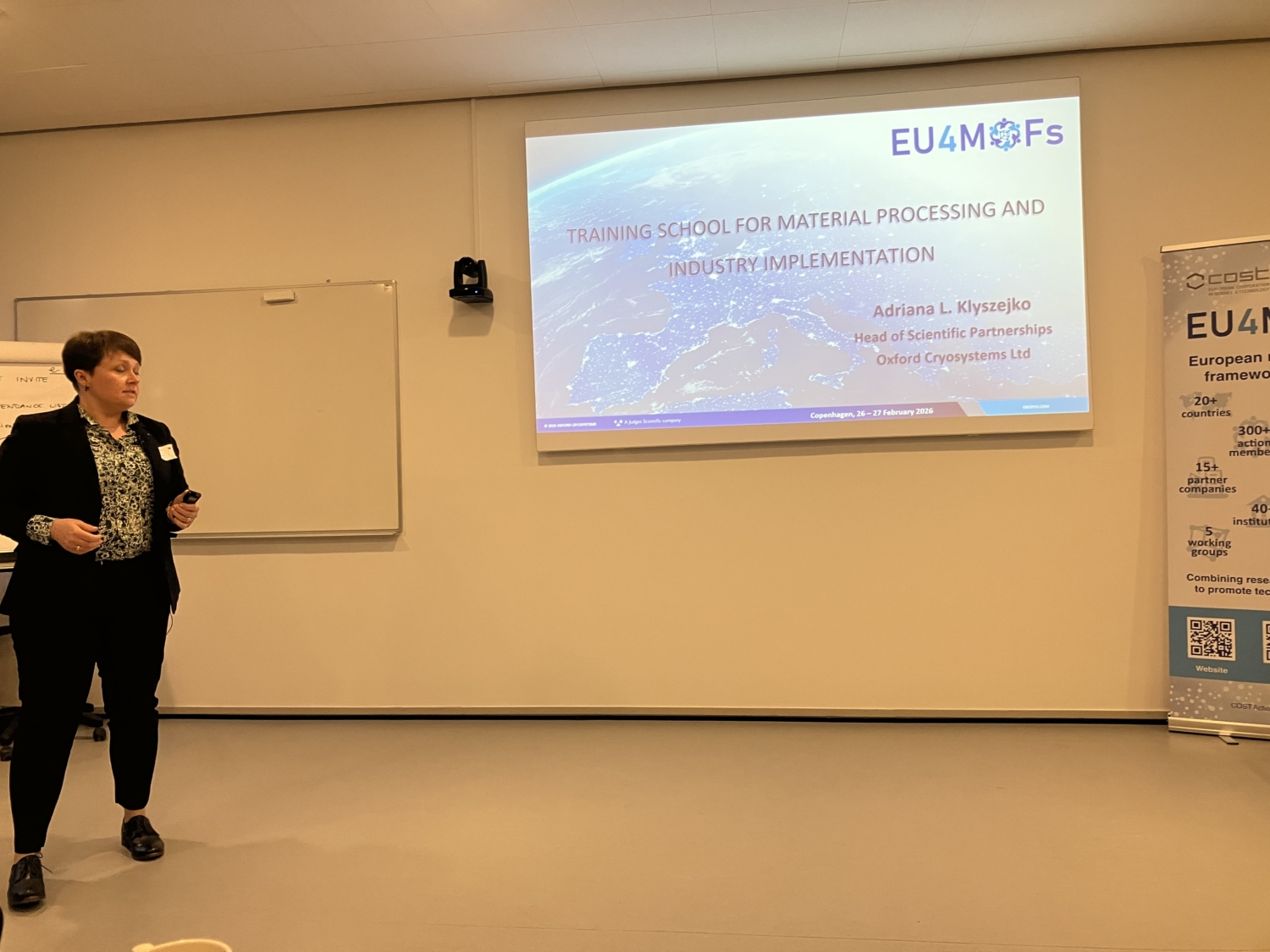 |
| Stefan Marx, BASF. | Dr. Adriana Klyszejko, Oxford Cryosystems. |
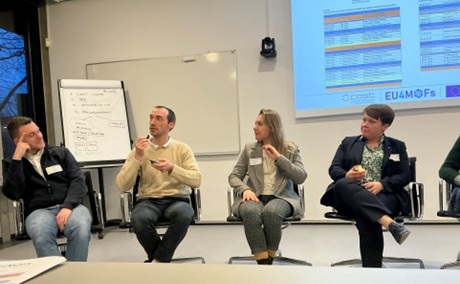
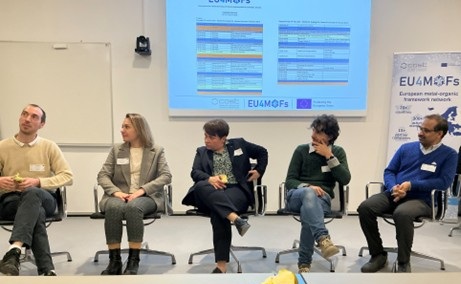
The session ended with a panel discussion on challenges and opportunities in MOF shaping. Mechanical stability was identified as a key factor, as high pressures during shaping can cause amorphization, while suspension processing, drying conditions, and binder use strongly influence packing density and material performance. Economic aspects such as throughput, efficient raw material use, and scalable shaping methods were also highlighted, with faster techniques like spray drying preferred over slower approaches such as dip coating. Stability issues, particularly hydrolysis, remain a challenge, though strategies such as hydrophobic core–shell structures may improve durability. The panel emphasized that qualification standards depend on the application, and that progress in MOF shaping will require clearer application targets, interdisciplinary collaboration, and dedicated funding for testing and scale-up.
 |
 |
| Panel discussion. | |
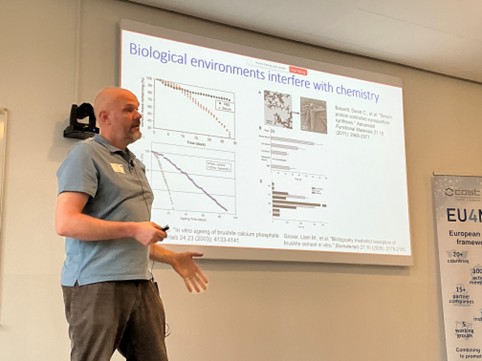
On the second day (27 February), the program began with a brief recap of day one and an overview of the agenda by Prof. Thomas Burg. The first talk was given by Prof. Liam Grover, who discussed challenges in translating materials into commercial medical products. A key issue is the stability of materials in physiological environments, where salts and proteins can accelerate degradation. He also emphasized the importance of scalable manufacturing in licensed facilities, reliable supply chains, and ensuring product stability and shelf life after manufacture. Sterilization can pose additional difficulties for sensitive materials. Prof. Grover concluded that MOFs may be particularly promising for localized delivery of active molecules or ions, for example as hemostatic agents where improved solutions are still needed.
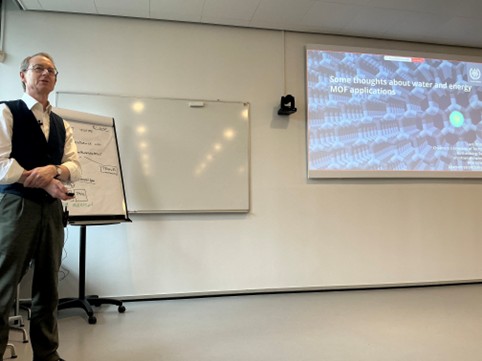
The second presentation was delivered by Prof. Lars Öhrström, who discussed perspectives on MOF applications in water and energy. He emphasized that MOFs can be viewed as modular systems – “like IKEA for molecules” – but that significant fundamental research is still needed. Examples included efforts to capture harmful gases such as SF6 and the role of MOFs in water adsorption, where phase transitions of water in pores are crucial. Prof. Öhrström also noted that limited stability can sometimes be advantageous, for instance for easier recycling. Market analyses suggest that MOF-based gas storage may be most relevant in niche applications such as hydrogen storage for submarines, ships, and trains, or small-scale methane storage for farms and remote communities, while MOFs could also enable decentralized water harvesting solutions.
 |
 |
| Prof. Liam Grover, University of Birmingham. | Prof. Lars Öhrström, Chalmers University. |
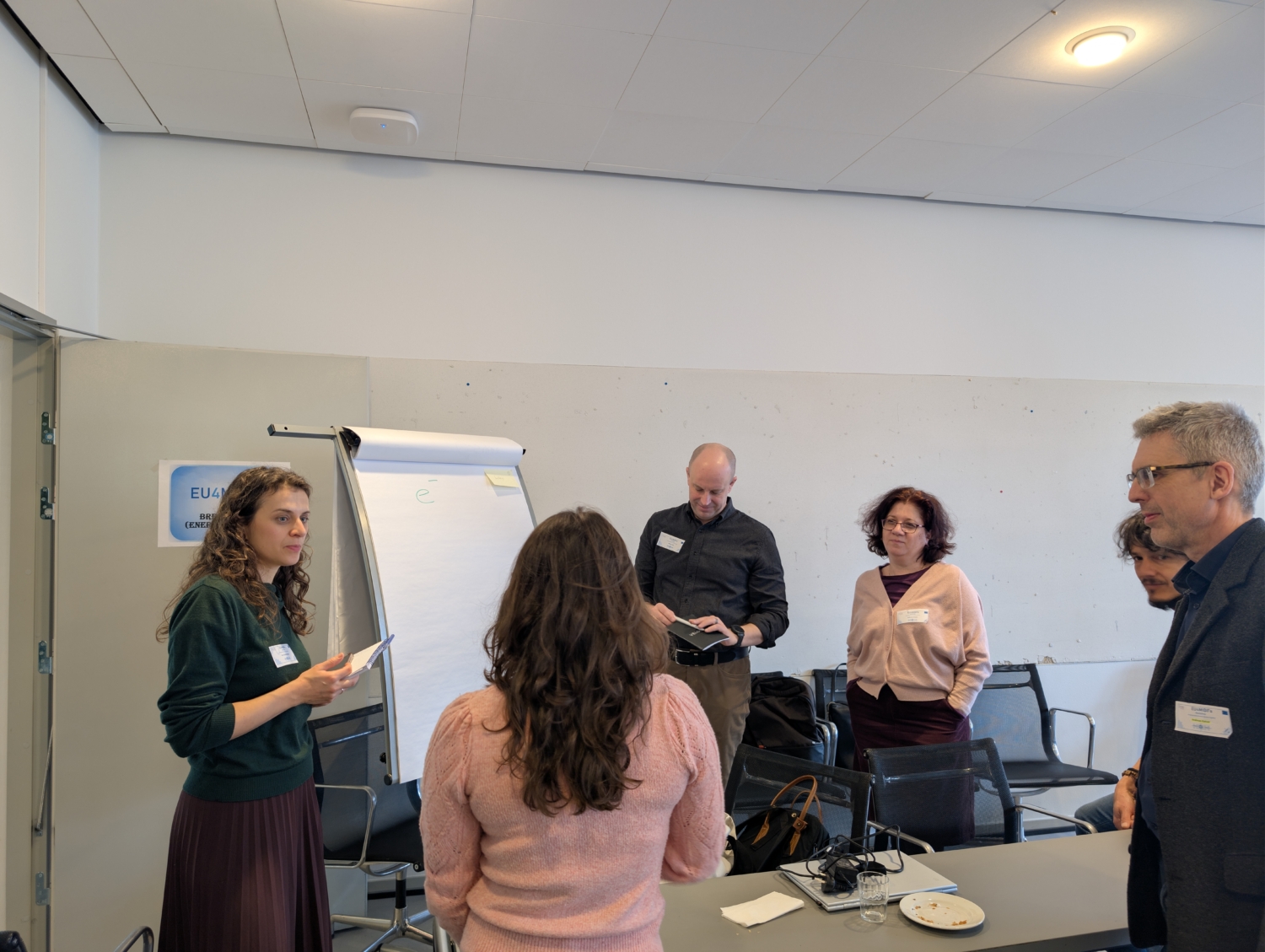
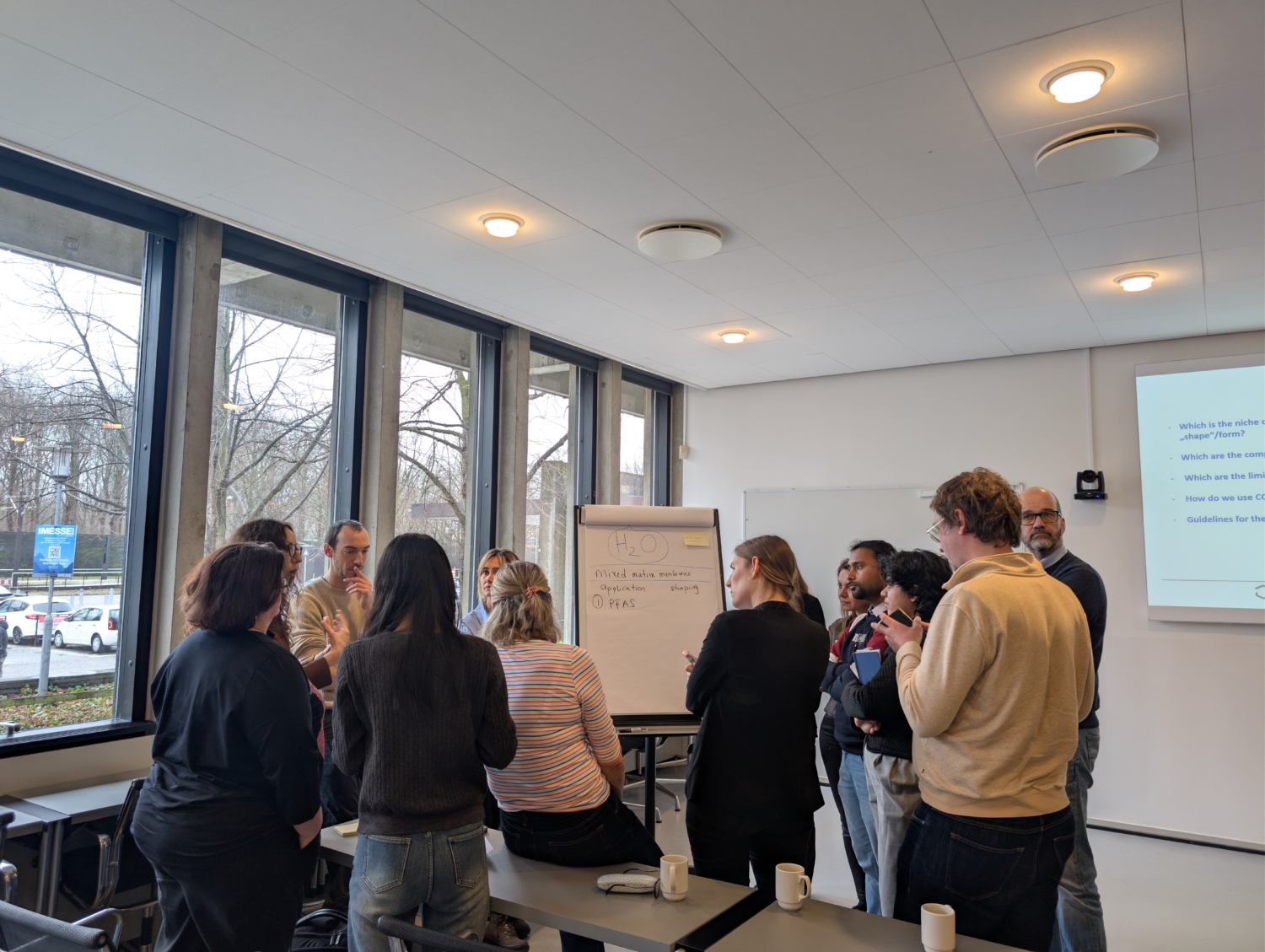
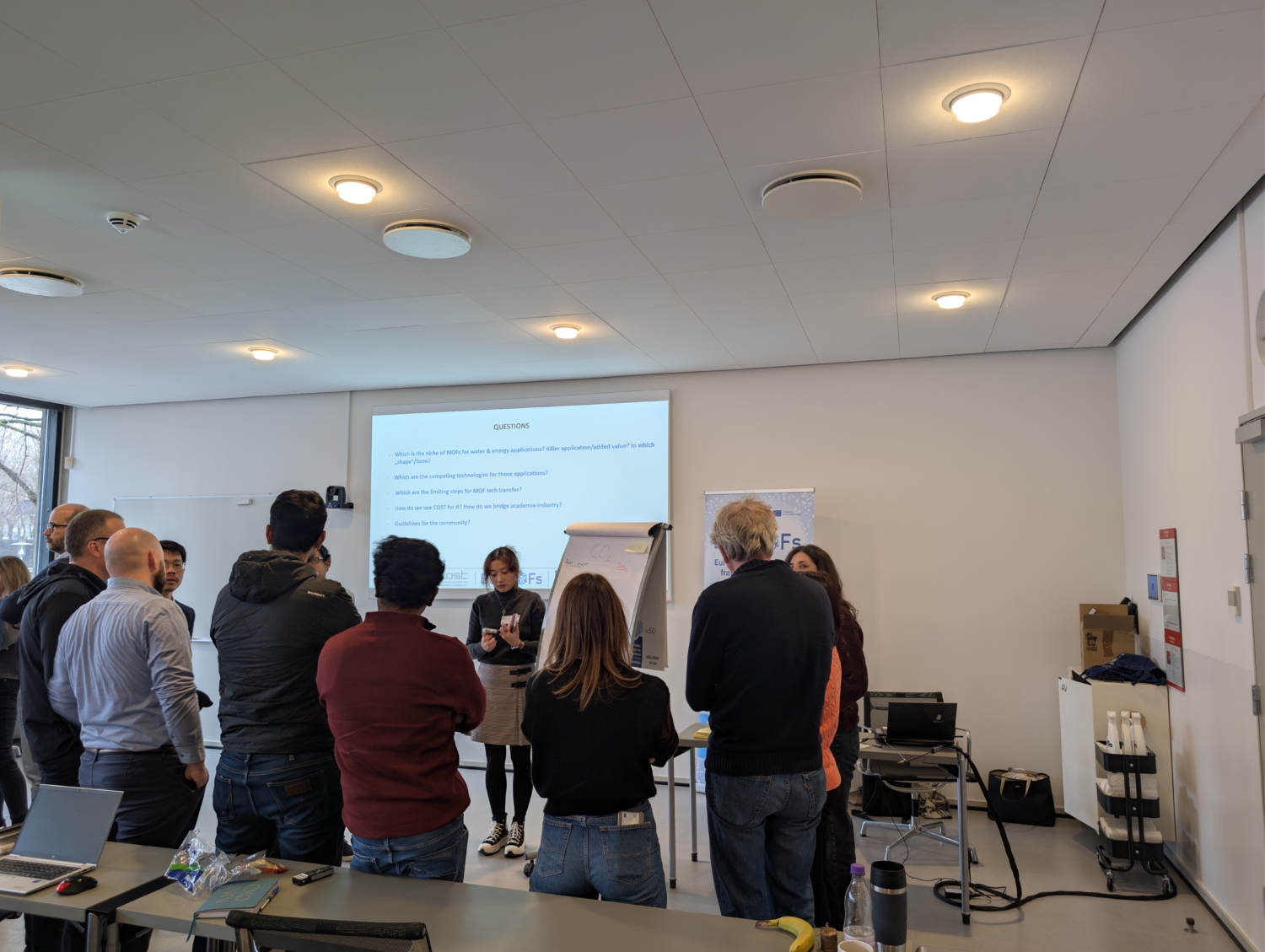
Following the presentations, participants split into two breakout discussion groups –Energy & Water and Biomedicine – to exchange perspectives on the industrial requirements for scaling up and shaping MOFs for practical applications. The discussions focused on identifying key technical, economic, and regulatory challenges that must be addressed to translate laboratory-scale MOF materials into viable products. After the discussions, the groups reconvened and shared the key outcomes and insights with all participants.
 |
 |
 |
 |
| Breakout discussion groups. | |
To conclude, the EU4MOFs training school highlighted both the significant opportunities and the remaining challenges in translating MOF research into real-world technologies. Through a combination of academic insights, industrial perspectives, and interactive discussions, participants explored key aspects such as shaping strategies, scale-up, manufacturing requirements, and application-driven design. A central message emerging from the event was that successful implementation of MOFs will require strong interdisciplinary collaboration, clear application targets, and closer interaction between academia, industry, and end users. By fostering dialogue and knowledge exchange across these communities, the training school contributed to advancing the development of MOF-based solutions for applications in medicine, energy, and water.